Sell Mineral Rights in Deaver, WY
Deaver sits right at the state line, close to Frannie, and Elk Basin field straddles the border directly through this corner of Big Horn County.
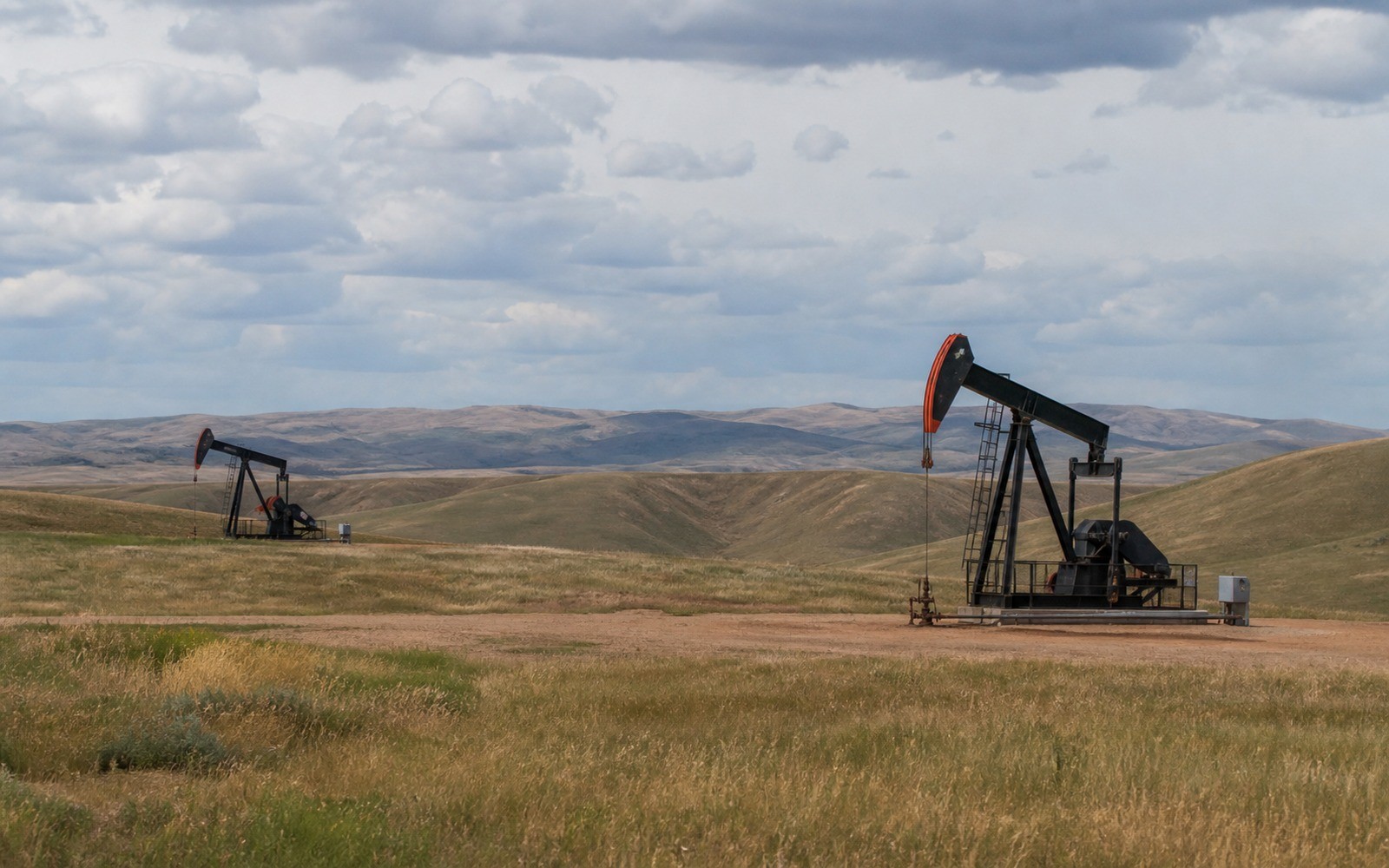
This field has produced continuously since 1915, one of the true legacy assets of the Bighorn Basin, and its long life has meant repeated rounds of secondary and enhanced recovery to keep pulling oil from formations tapped over a hundred years ago. Big Horn County recorder records around Deaver go back accordingly far, with leases, unit agreements, and probate transfers reflecting several generations of ownership.
If your family's interest sits inside or near the Elk Basin boundary, there's real production history worth checking. We will confirm your specific position before saying anything about value.
A border field with a long memory
Because Elk Basin crosses into Montana, unit administration and royalty payments here sometimes involve coordination across both states. We make sure your Wyoming-side ownership is confirmed cleanly through Big Horn County records regardless of how the broader unit is structured.
The field's continued investment in enhanced recovery after this many decades signals there's still oil worth chasing here, which affects how we think about remaining value in a producing interest.
Tracing old family ownership
With production history stretching back over a century, Deaver-area interests have often passed through several estates. We trace the recorder's grantor-grantee index as far back as necessary to confirm your exact fractional share before discussing a number.
Frannie and Deaver share this border stretch, and we have traced ownership across both towns for families whose land holdings spanned the two communities. Confirming which specific section your interest falls in matters more than which town address is on the deed.
Build the County-Record Packet
A town name is only the first line of a Wyoming mineral file. The working packet should connect the tract to the county, legal description, section, township, range, owner name, vesting instrument, reservations, lease, division order, payor record, and any probate or trust document that changed the chain. Local field history belongs beside the recorded evidence, not in place of it. Where fee minerals meet federal or state ownership, the packet should also identify which tract, depth, or formation is actually private and conveyable before any acreage or paid decimal is carried into an offer.
Keep the Paid Interest and the Deed Scope Aligned
A royalty statement can show what is being paid on a tract, but the statement does not by itself prove the full mineral estate. The review should reconcile the paid decimal to the ownership fraction, lease royalty, unit allocation, well, product, production month, deductions, taxes, suspense, and any adjustment line. The proposed deed and written purchase scope should then repeat the verified owner, county, legal description, included depths or formations, effective date, conveyed fraction, retained interest, pre-closing proceeds, title conditions, and recording instructions. Any mismatch stays on the curative list until the supporting record resolves it.
WYOMING CURATIVE FILE
Resolve the Record Question Before It Reaches the Deed
Yes, under continued enhanced recovery in parts of the field. We will check the current status for your specific tract.
It adds a layer to unit administration, but we will confirm your Wyoming ownership cleanly regardless.
That's normal for this area. We can trace ownership through records that old without much difficulty.
We will confirm your legal description against the state line and county plat before we discuss anything further.
Small fractional interests are common in this area given the long inheritance history, and we will quote yours based on your documented share.
ADJOINING SECTION PLATS
Carry the Same Tract Into the Next Owner Memo