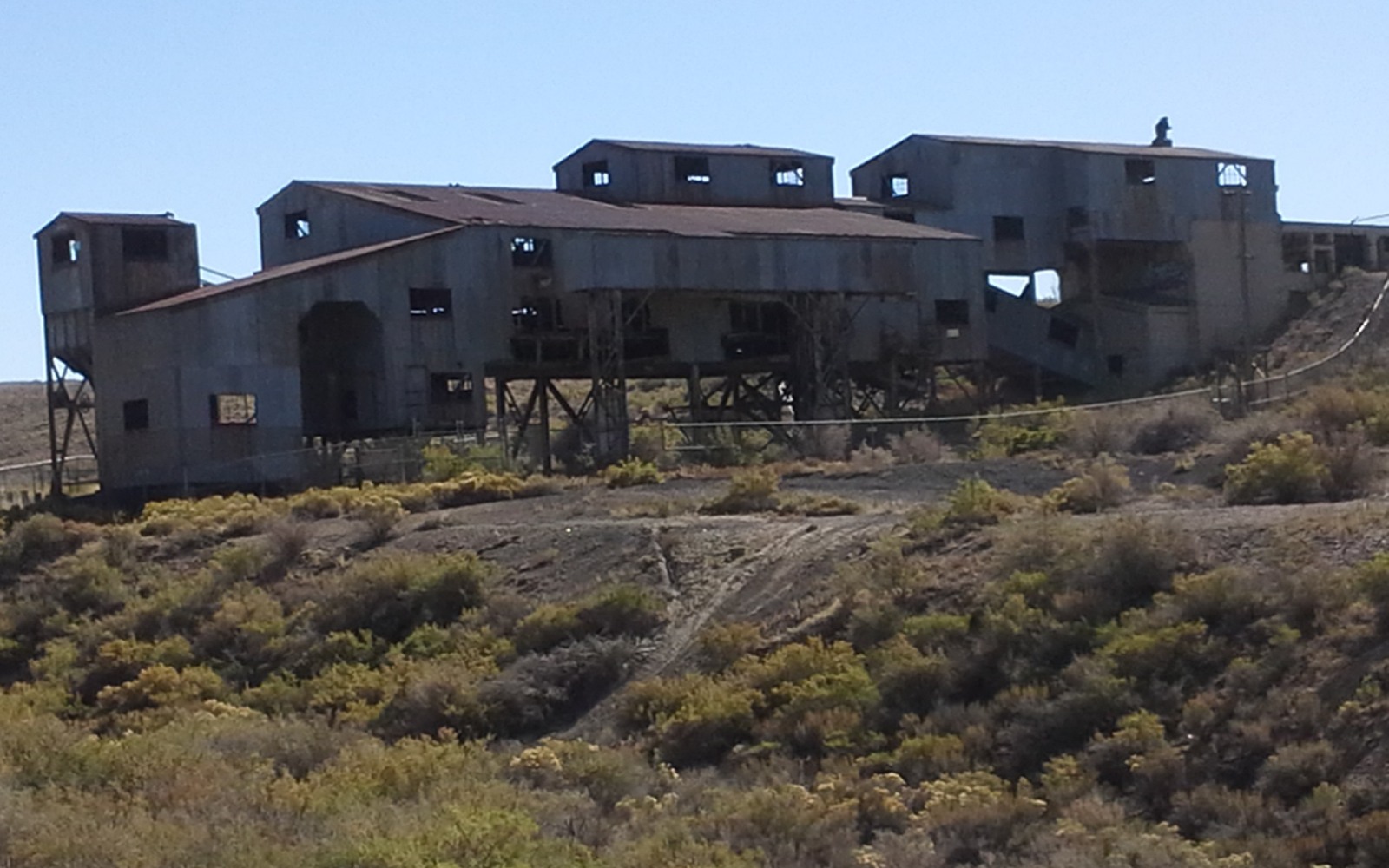
Sell Mineral Rights in Reliance, WY
Reliance grew up as a coal camp for the Union Pacific Coal Company, and like much of Sweetwater County, its mineral history is tangled up with the railroad's original land holdings.
Coal was the first mineral pulled out of the ground around Reliance, but the same railroad-grant checkerboard that shaped coal leasing here also governs oil, gas, and trona rights across the surrounding sections. A mineral interest tied to this area could touch any of those categories, and confirming which one your deed actually covers is where we start.
The old company-town layout is still visible in Reliance today, though the population is far smaller than during the coal era, and a lot of the mineral interests tied to the surrounding sections have passed through several generations of the same families since the mines wound down.
A mining town's layered mineral history
Because Reliance was centered on coal mining, some deeds in this area were drafted with coal specifically in mind, while others cover oil, gas, and all other minerals more broadly. That distinction matters, and we read your deed language closely before pricing anything.
Checkerboard sections nearby
As with the rest of this part of Sweetwater County, some sections around Reliance are private railroad-grant land and others are federal. We confirm which applies to your legal description as part of the review.
Getting a number
Send your deed, division order, or old lease, and we will confirm what you actually hold and what it is currently worth.
Build the County-Record Packet
A town name is only the first line of a Wyoming mineral file. The working packet should connect the tract to the county, legal description, section, township, range, owner name, vesting instrument, reservations, lease, division order, payor record, and any probate or trust document that changed the chain. Local field history belongs beside the recorded evidence, not in place of it. Where fee minerals meet federal or state ownership, the packet should also identify which tract, depth, or formation is actually private and conveyable before any acreage or paid decimal is carried into an offer.
Keep the Paid Interest and the Deed Scope Aligned
A royalty statement can show what is being paid on a tract, but the statement does not by itself prove the full mineral estate. The review should reconcile the paid decimal to the ownership fraction, lease royalty, unit allocation, well, product, production month, deductions, taxes, suspense, and any adjustment line. The proposed deed and written purchase scope should then repeat the verified owner, county, legal description, included depths or formations, effective date, conveyed fraction, retained interest, pre-closing proceeds, title conditions, and recording instructions. Any mismatch stays on the curative list until the supporting record resolves it.
WYOMING CURATIVE FILE
Resolve the Record Question Before It Reaches the Deed
It depends on your specific deed language. We check it carefully before making an offer.
Coal activity in this specific area has changed significantly over the decades. We check current status as part of our review.
Send us what you have. We're used to working with older Sweetwater County deed language.
Yes. Ownership doesn't require living on or near the land, and we regularly buy interests from owners who moved away long ago.
No. We buy exactly the fraction you own, whatever size it split down to through inheritance.
Once we confirm the mineral type and severance through Sweetwater County records, most files here close in a reasonable, predictable timeframe.
ADJOINING SECTION PLATS
Carry the Same Tract Into the Next Owner Memo