Sell Mineral Rights in Mills, WY
Mills sits just west of Casper along the North Platte, in the shadow of a refining and pipeline corridor that has moved Wyoming crude since the early oil days.
Mills is a small town built up around the industry that grew out of Salt Creek and the other Natrona County fields — refineries, pipelines, and the workers who ran them. A lot of mineral ownership around Mills is residential-lot small, tied to older ranch or homestead tracts that were platted for the town while the mineral rights stayed with the original owner or their heirs.
The refinery and pipeline infrastructure through Mills is why the town exists at all, but that surface industry has nothing to do with who owns the minerals under a given parcel. Those are two separate questions, and we only deal with the second one.
Split estate is common on platted ground
When ranch land near Mills got subdivided for town lots decades ago, minerals were frequently reserved separately rather than sold with the surface. If you own minerals under a residential parcel here, you likely do not own the house sitting on it, and that is worth confirming through a deed search before anyone quotes you a number.
Where the production sits
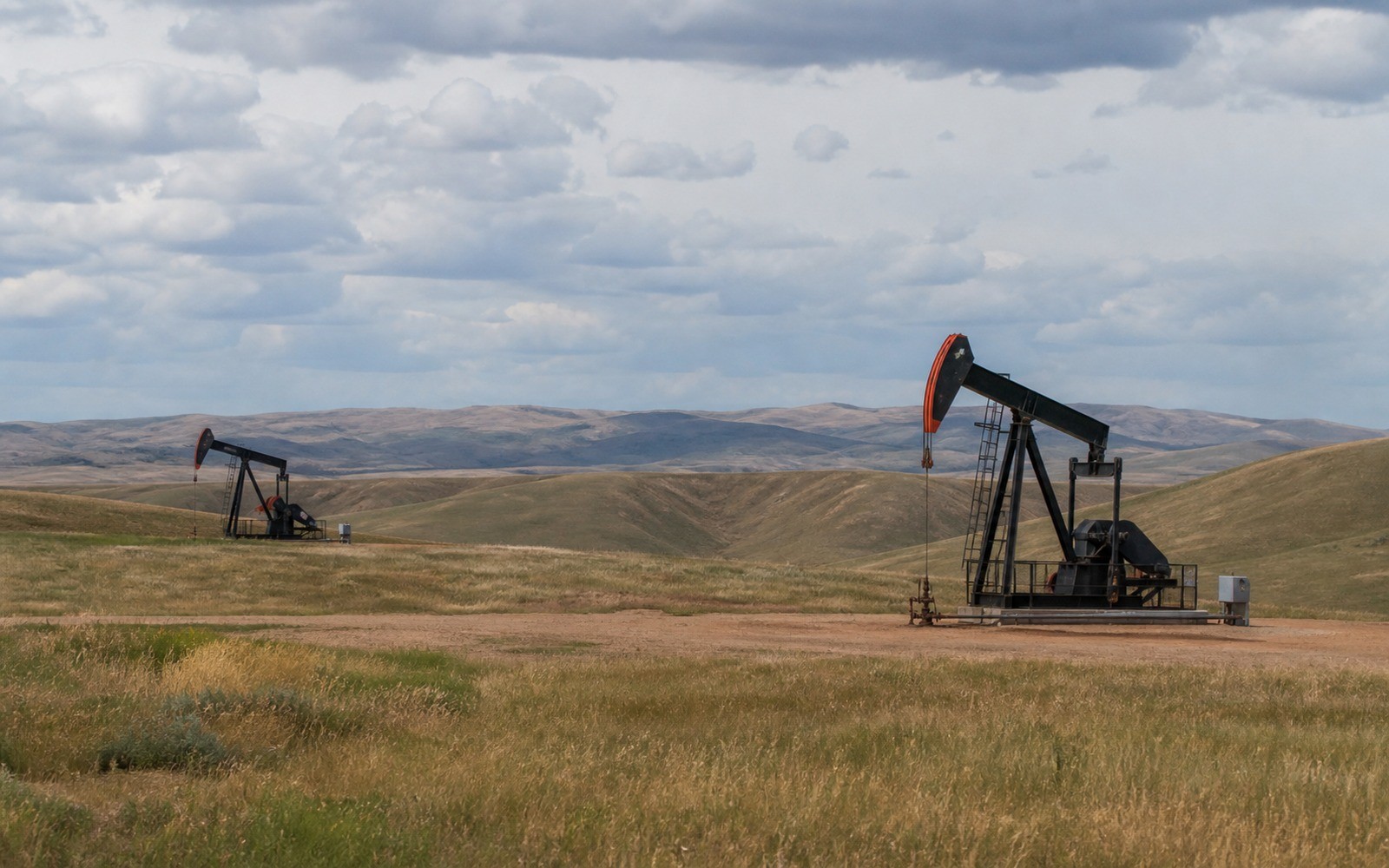
Most nearby production is tied to the broader Salt Creek and Natrona County field system rather than anything new drilled directly at Mills. Interests here tend to be legacy shares in older units, paying a modest but steady royalty rather than reflecting recent drilling activity.
Getting a file started
A division order or check stub with your decimal interest is the fastest path to an offer. Without one, the legal description from an old deed lets us trace ownership through Natrona County clerk records in Casper.
Build the County-Record Packet
A town name is only the first line of a Wyoming mineral file. The working packet should connect the tract to the county, legal description, section, township, range, owner name, vesting instrument, reservations, lease, division order, payor record, and any probate or trust document that changed the chain. Local field history belongs beside the recorded evidence, not in place of it. Where fee minerals meet federal or state ownership, the packet should also identify which tract, depth, or formation is actually private and conveyable before any acreage or paid decimal is carried into an offer.
Keep the Paid Interest and the Deed Scope Aligned
A royalty statement can show what is being paid on a tract, but the statement does not by itself prove the full mineral estate. The review should reconcile the paid decimal to the ownership fraction, lease royalty, unit allocation, well, product, production month, deductions, taxes, suspense, and any adjustment line. The proposed deed and written purchase scope should then repeat the verified owner, county, legal description, included depths or formations, effective date, conveyed fraction, retained interest, pre-closing proceeds, title conditions, and recording instructions. Any mismatch stays on the curative list until the supporting record resolves it.
WYOMING CURATIVE FILE
Resolve the Record Question Before It Reaches the Deed
Not necessarily. A lot of ground here was platted with the minerals reserved separately. We check the deed history to confirm.
Legacy interests in older, established fields are still viable to sell — the value is in the steady production record, not how recent the well is.
Send a division order or check stub if you have one. Otherwise the legal description from an old deed works and we'll trace it from there.
Not directly. The refinery processes crude piped in from the surrounding fields; it doesn't change ownership or value of the mineral estate under a specific tract.
ADJOINING SECTION PLATS
Carry the Same Tract Into the Next Owner Memo