Sell Mineral Rights in Kaycee, WY
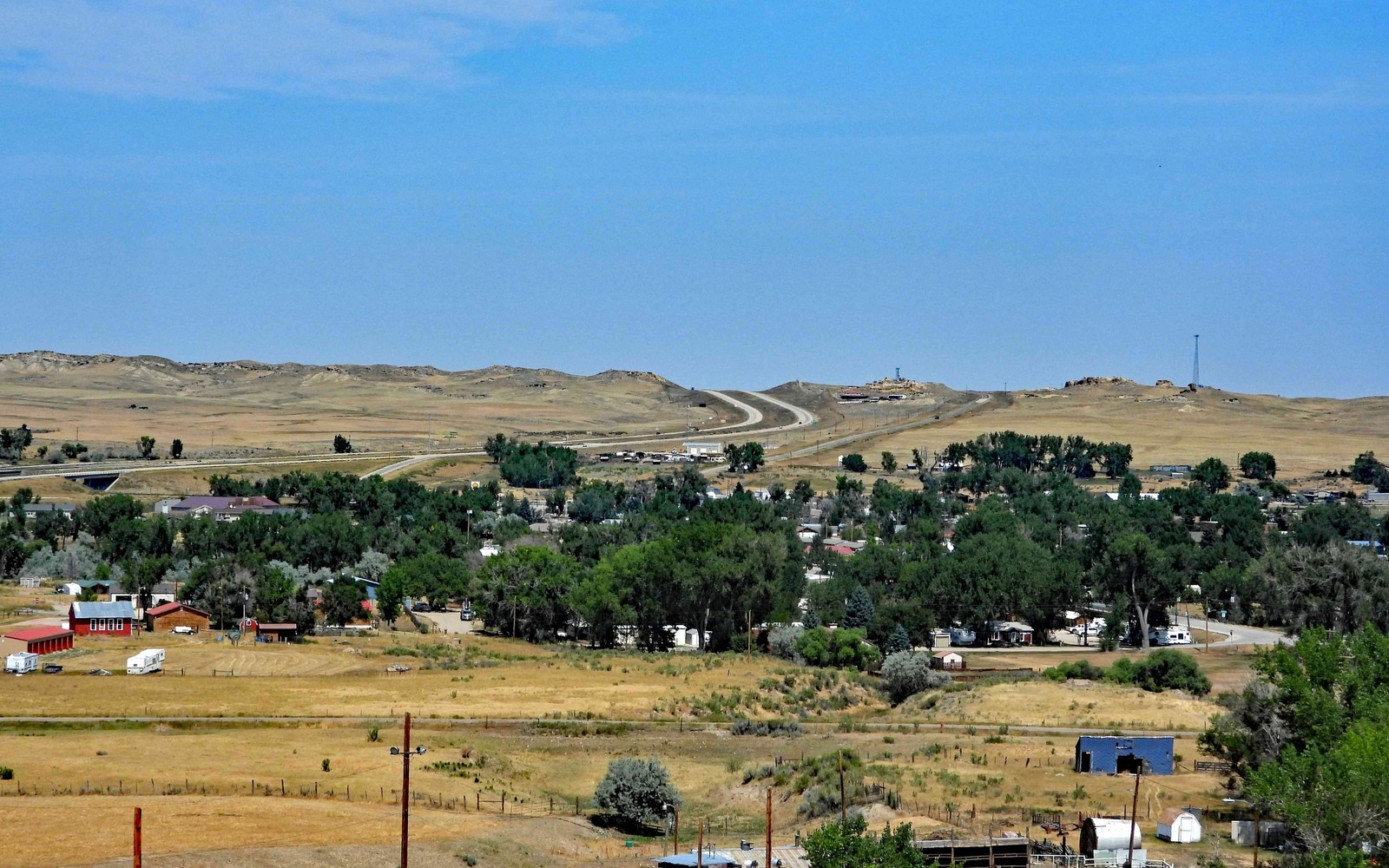
Kaycee sits at the southern edge of the Powder River Basin, cattle country made famous by Hole-in-the-Wall, and legacy oil fields like Barnum that have quietly produced for decades.
The town's outlaw history gets more attention than its oil history, but both run through the same ranching families who've held this ground since the early 1900s. If you're holding minerals here, they likely came down through a homestead patent or an old ranch transaction, same as most of the county.
Barnum field and the basin's southern edge
Barnum and similar legacy structures near Kaycee have produced steadily since discovery, mostly stripper-level output at this point, operated by independents who've held the leases through several ownership changes. Newer horizontal targets in the Niobrara and Turner have reached into parts of the area as well, layering fresh activity onto old production.
Split estate is common on Kaycee ranches
A lot of ranch land around Kaycee carries federally reserved minerals under privately owned surface, a legacy of Stock-Raising Homestead Act patents from a century ago. Confirming whether you own the minerals under your own ranch, or just the surface, is the first real step before any sale conversation.
What to bring to the table
Your deed, legal description, and any production history you have. If your interest is producing, recent check stubs speed things up considerably. If it's undeveloped, expect a conservative offer reflecting speculative rather than proven value.
Outlaw history and oil history running side by side
The same rugged terrain that made Hole-in-the-Wall a hideout for outlaws in the 1890s also kept early oil surveyors from fully mapping this corner of Johnson County until later than surrounding areas. That later start means some Kaycee-area mineral histories are shorter and cleaner than the century-plus chains found closer to Casper or Douglas.
Build the County-Record Packet
A town name is only the first line of a Wyoming mineral file. The working packet should connect the tract to the county, legal description, section, township, range, owner name, vesting instrument, reservations, lease, division order, payor record, and any probate or trust document that changed the chain. Local field history belongs beside the recorded evidence, not in place of it. Where fee minerals meet federal or state ownership, the packet should also identify which tract, depth, or formation is actually private and conveyable before any acreage or paid decimal is carried into an offer.
Keep the Paid Interest and the Deed Scope Aligned
A royalty statement can show what is being paid on a tract, but the statement does not by itself prove the full mineral estate. The review should reconcile the paid decimal to the ownership fraction, lease royalty, unit allocation, well, product, production month, deductions, taxes, suspense, and any adjustment line. The proposed deed and written purchase scope should then repeat the verified owner, county, legal description, included depths or formations, effective date, conveyed fraction, retained interest, pre-closing proceeds, title conditions, and recording instructions. Any mismatch stays on the curative list until the supporting record resolves it.
WYOMING CURATIVE FILE
Resolve the Record Question Before It Reaches the Deed
Not necessarily. Check whether your patent reserved minerals to the federal government under the Stock-Raising Homestead Act, which was common in this area.
Yes, mostly stripper-level production from a legacy field, with some newer horizontal activity nearby. Confirm your specific tract through Johnson County Clerk records in Buffalo.
Yes, long-held interests sell the same as recently acquired ones. What matters is confirming your current ownership percentage and production status.
Often, yes. Fewer generations of transfers generally means a cleaner, faster title review, though production status and acreage still drive the actual offer.
ADJOINING SECTION PLATS
Carry the Same Tract Into the Next Owner Memo