Sell Mineral Rights in Greybull, WY
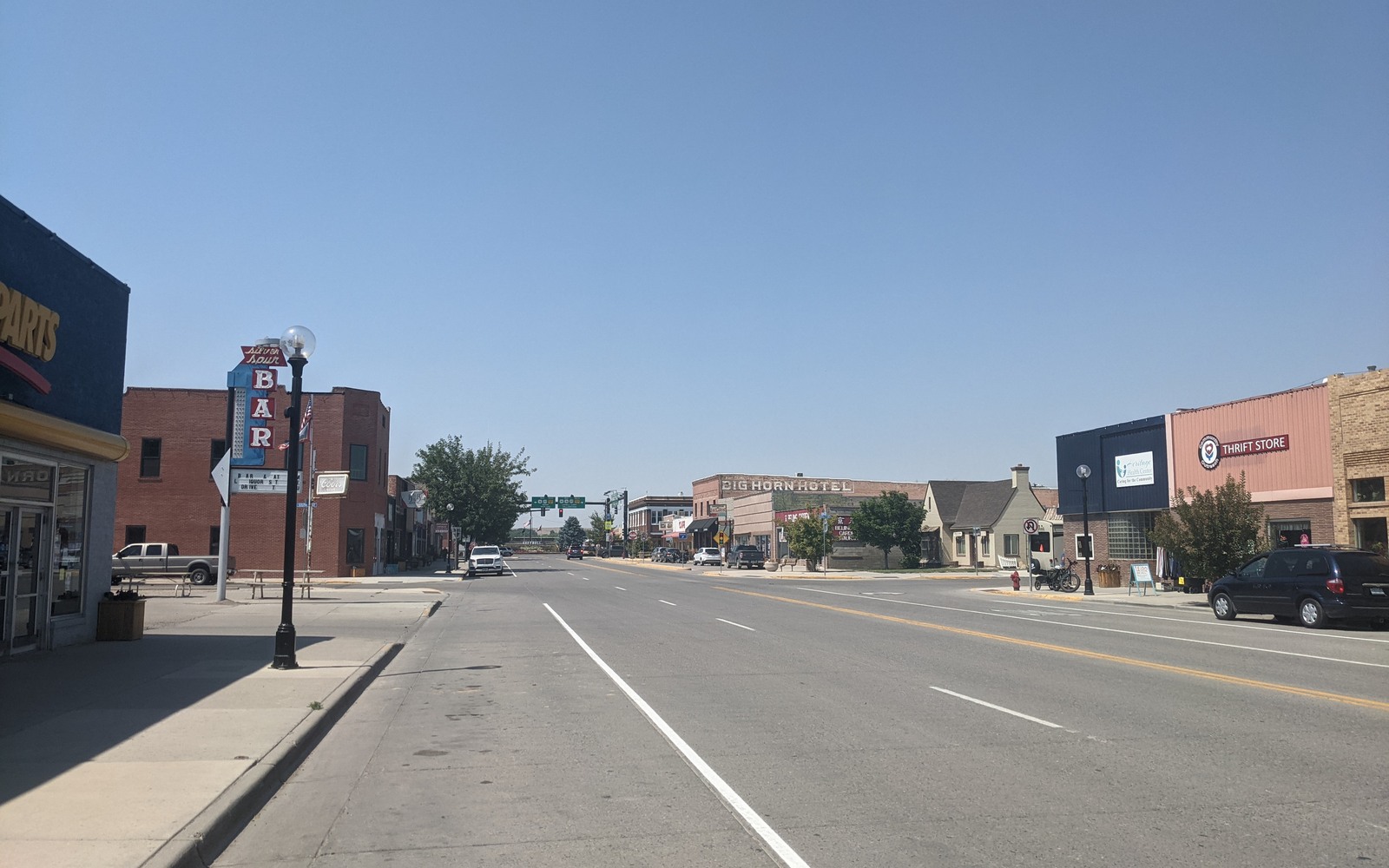
Greybull sits on the river that gave it its name, in the middle of Big Horn County's stretch of the Bighorn Basin oil patch.
This is old production country, fields discovered in the early 1900s and re-worked through generations of operators since. If you're holding minerals here, there's a decent chance your family's interest has been paying, sporadically or steadily, since before your grandparents were born.
Legacy Bighorn Basin structures
The anticlinal traps that made this part of the basin productive, the same style of structure behind Garland, Elk Basin, and Oregon Basin fields, run through the country around Greybull. Production is mature and mostly stripper-level now, but the wells keep going, operated by independents who took over from the majors decades ago.
River-bottom and bench land ownership
Greybull-area mineral ownership often traces back to homestead-era ranch and farm operations along the Bighorn River, with minerals severed out at some point when the land was sold, mortgaged, or willed to non-farming heirs. That's why you'll frequently find city-dwelling owners today holding interests tied to ground they've never set foot on.
What buyers price on Greybull acreage
Current well count and production volume on your specific section, decline trend, and whether recent workovers have extended well life. Bring your division order and recent statements; without them, expect the process to start with a title and production history pull through Big Horn County Clerk records in Basin.
River-bottom versus bench-land ownership patterns
Mineral tracts along the Bighorn River bottom near Greybull sometimes carry different lease and production histories than similar-sized tracts up on the surrounding bench land, simply based on which structures the early operators targeted first. Confirming your tract's exact position helps set realistic expectations before you talk numbers.
Build the County-Record Packet
A town name is only the first line of a Wyoming mineral file. The working packet should connect the tract to the county, legal description, section, township, range, owner name, vesting instrument, reservations, lease, division order, payor record, and any probate or trust document that changed the chain. Local field history belongs beside the recorded evidence, not in place of it. Where fee minerals meet federal or state ownership, the packet should also identify which tract, depth, or formation is actually private and conveyable before any acreage or paid decimal is carried into an offer.
Keep the Paid Interest and the Deed Scope Aligned
A royalty statement can show what is being paid on a tract, but the statement does not by itself prove the full mineral estate. The review should reconcile the paid decimal to the ownership fraction, lease royalty, unit allocation, well, product, production month, deductions, taxes, suspense, and any adjustment line. The proposed deed and written purchase scope should then repeat the verified owner, county, legal description, included depths or formations, effective date, conveyed fraction, retained interest, pre-closing proceeds, title conditions, and recording instructions. Any mismatch stays on the curative list until the supporting record resolves it.
WYOMING CURATIVE FILE
Resolve the Record Question Before It Reaches the Deed
Yes, mostly mature stripper production from legacy Bighorn Basin fields, operated by independents. Confirm your specific well's status through the Wyoming Oil and Gas Conservation Commission.
Big Horn County Clerk's office in Basin can pull recorded deeds by grantor or grantee name if you don't have a personal copy.
It means more certainty, which cuts both ways, current volume and decline trend matter more than the field's age. A long history helps a buyer price accurately rather than guess.
It can, mainly through differences in historical drilling density and current unit boundaries. Your specific production and lease history matters more than general location within the area.
ADJOINING SECTION PLATS
Carry the Same Tract Into the Next Owner Memo